

Before AI, These 5 Sci-Fi Artists Created the Future by Hand
Before CGI and AI, These Artists Built the Worlds of Sci-Fi

Every creative journey starts with inspiration—a spark that ignites the mind and compels the hands to create. For Libro Consiliorum, my collection of sci-fi and fantasy stories, that spark came from the work of visionary artists who painted the future long before we arrived. The images of distant worlds, massive space stations, and celestial wonders crafted by Robert McCall, Rick Guidice, Don Davis, Syd Mead, and Vincent Di Fate have shaped not only my stories but my entire approach to storytelling and design.
The Architects of the Future
These artists were more than illustrators; they were architects of the future, building worlds from their imaginations that felt as real as the ground beneath our feet. Their work didn't just depict sci-fi—it defined it. Below is a brief introduction to each of these legends and their impact on the genre.
Rick Guidice (b. 1943)
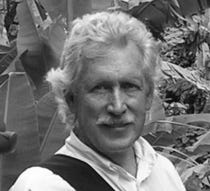
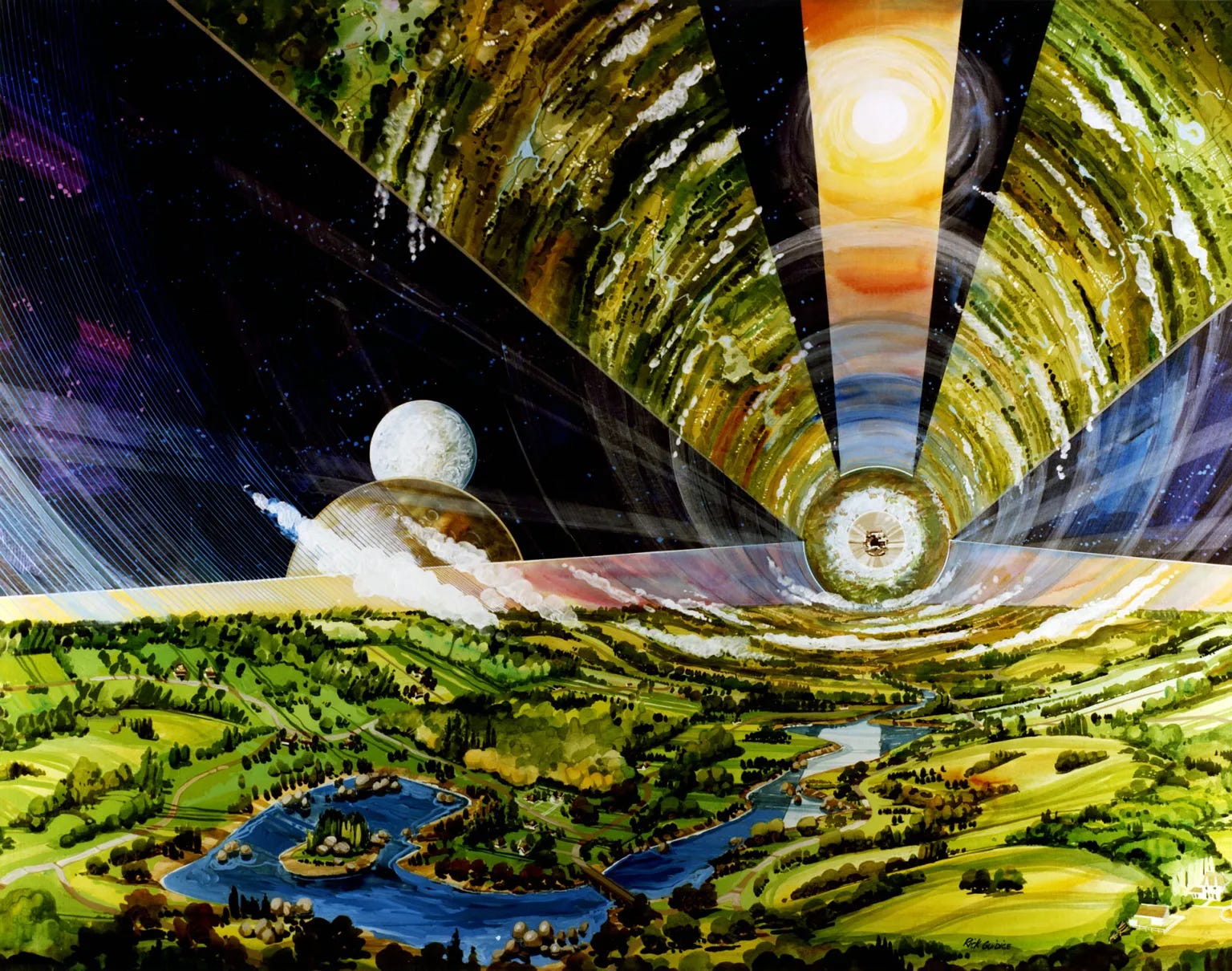
Rick Guidice is a renowned concept artist known for his work with NASA and Princeton on space colony studies. His visionary depictions of futuristic habitats, space stations, and interstellar civilizations played a pivotal role in shaping public perceptions of space exploration. His work brought a sense of realism and grandeur to speculative technology, bridging the gap between imagination and scientific possibility.


Don Davis (b. 1952)
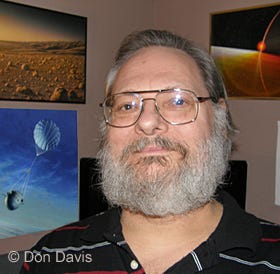
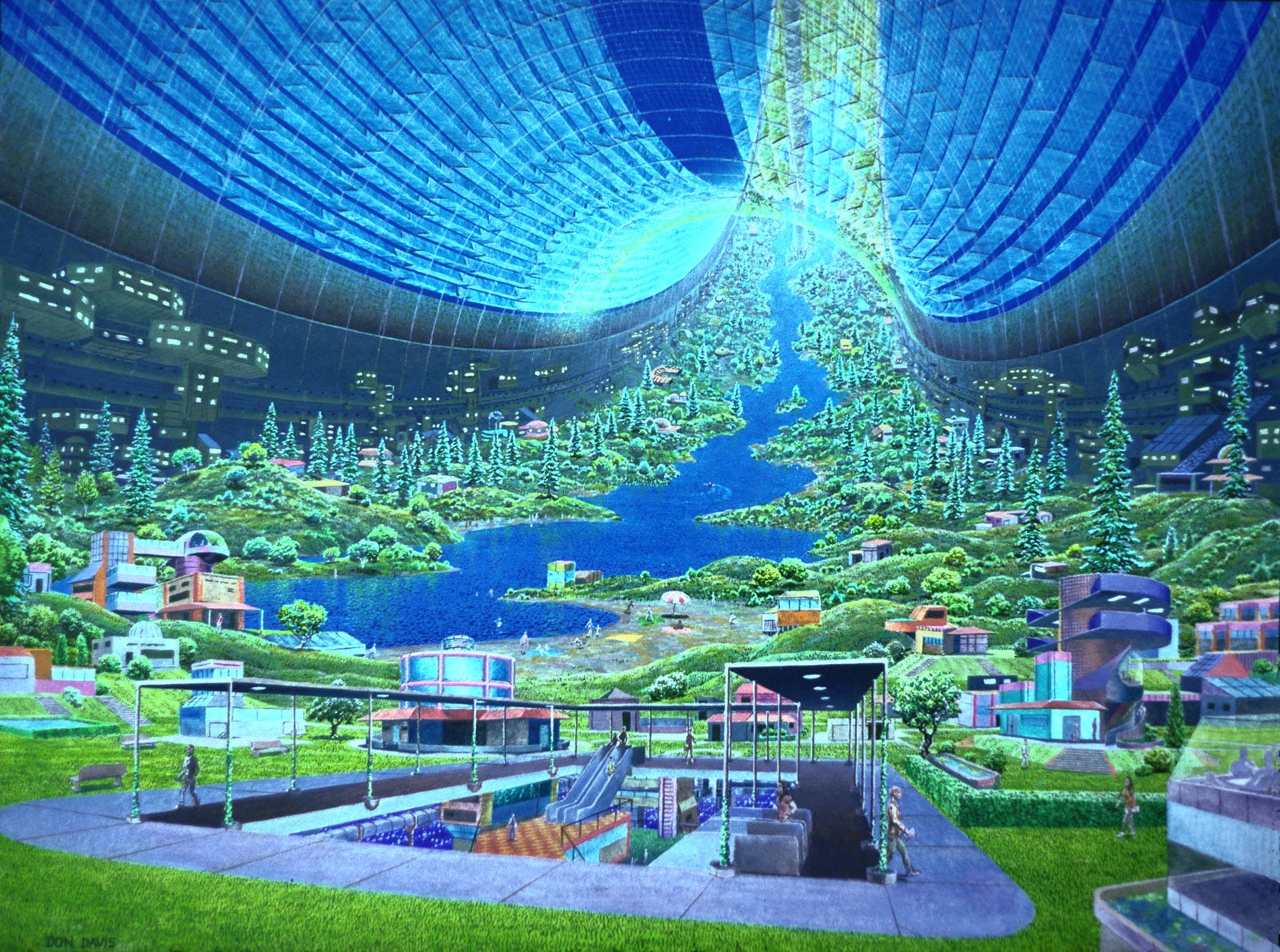
Don Davis is an artist renowned for his cosmic landscapes and astronomical art. Having worked with NASA, his work has appeared in numerous books and documentaries about space. His paintings make celestial bodies feel both alien and familiar, bridging the gap between scientific accuracy and artistic wonder.


http://www.donaldedavis.com/index.html
Syd Mead (1933–2019)
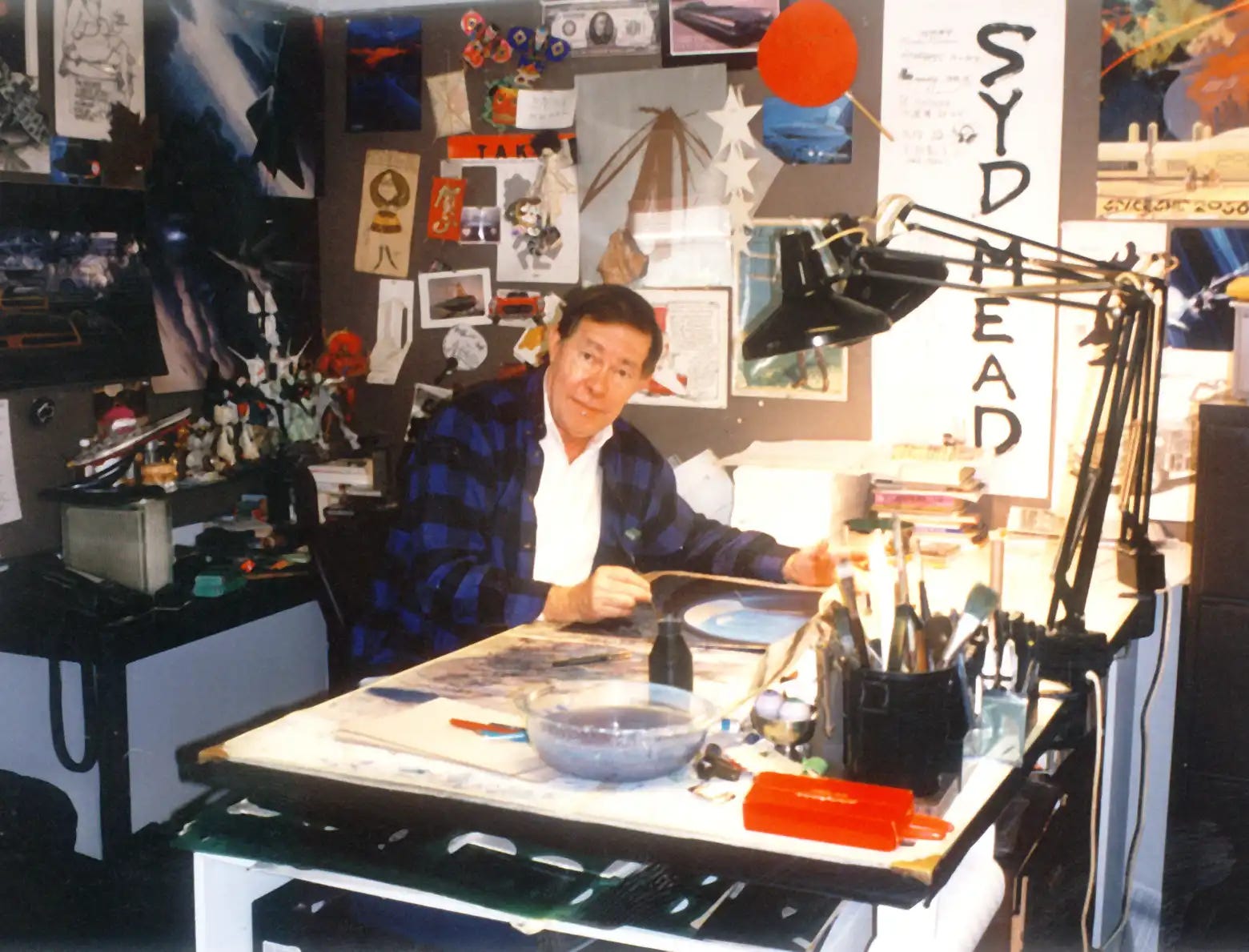
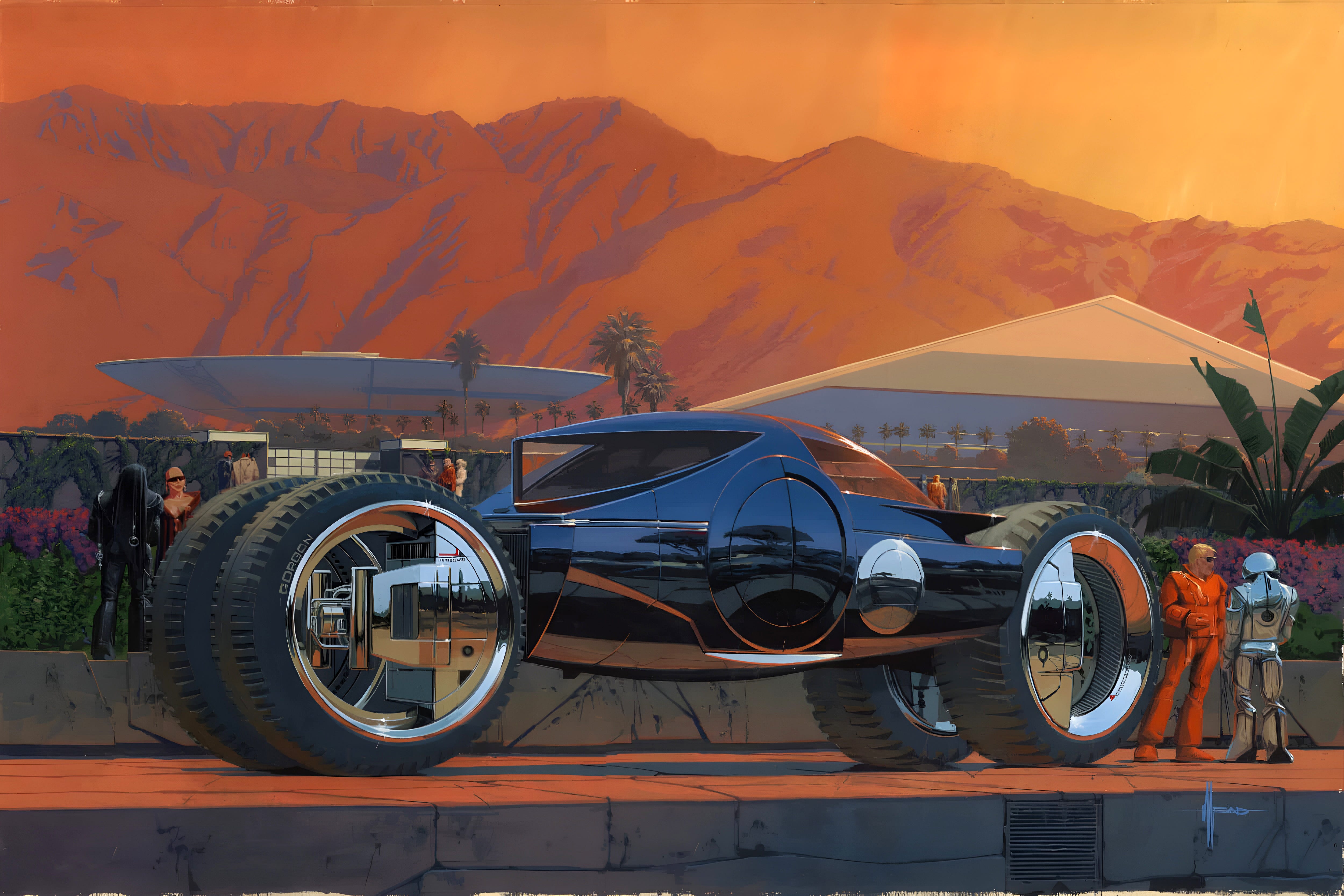
Syd Mead was a futurist and industrial designer whose work defined the cyberpunk aesthetic. He created the visual worlds of Blade Runner, Tron, Aliens, and Johnny Mnemonic. His sleek, highly detailed depictions of futuristic vehicles, cities, and technologies remain a benchmark for sci-fi design.


Vincent Di Fate (b. 1945)
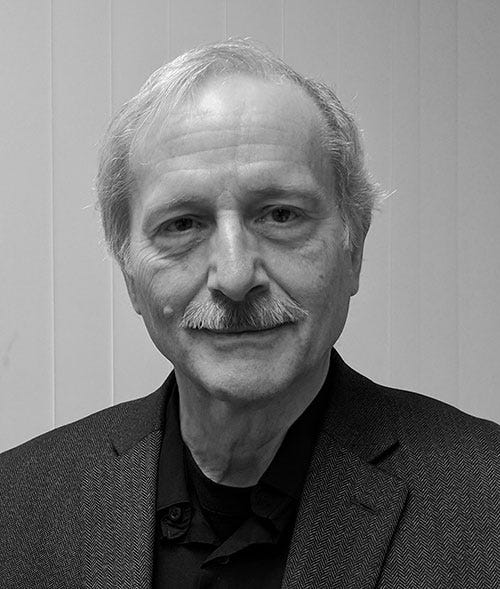
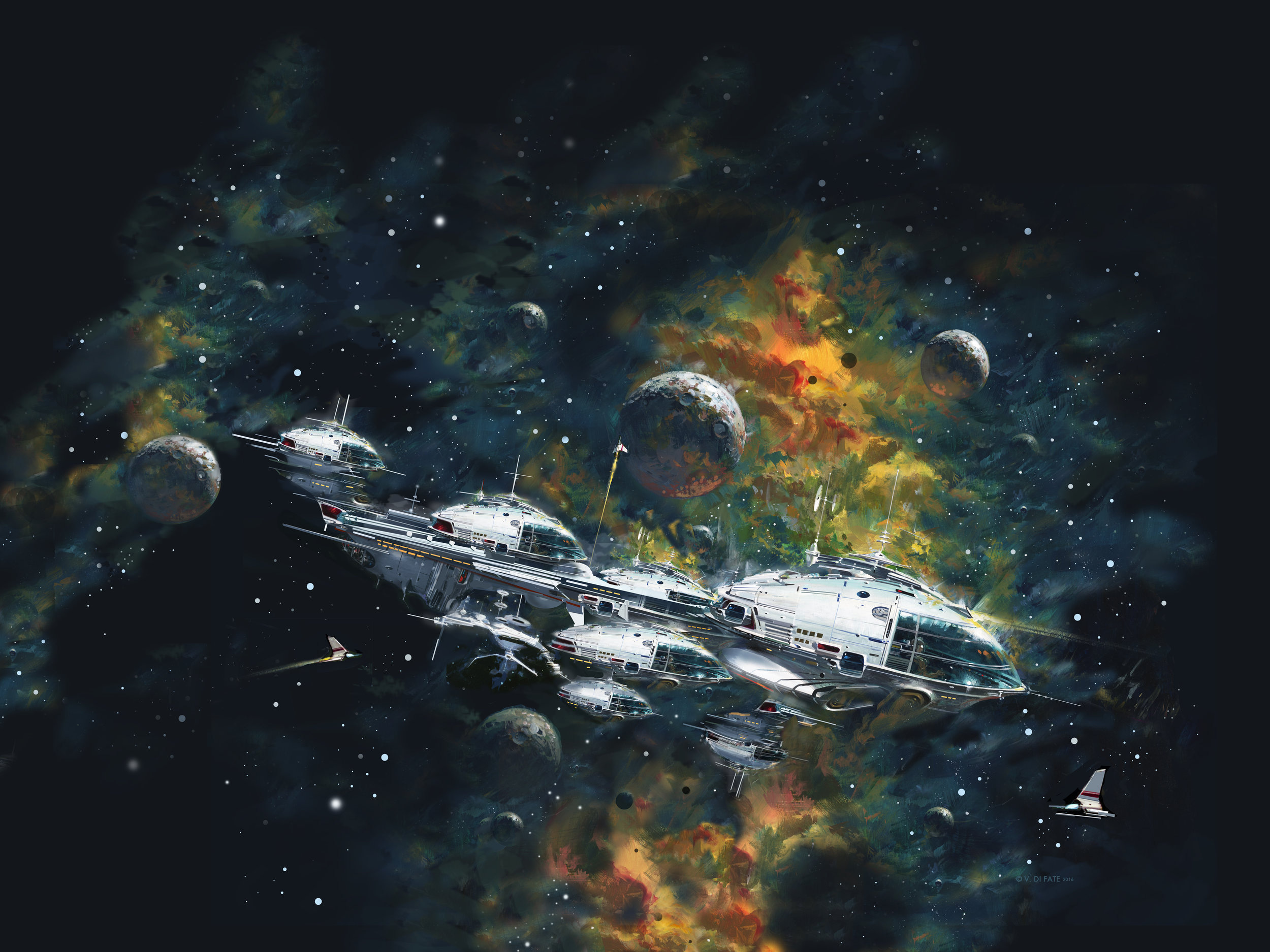
A master of sci-fi book covers and NASA illustrations, Vincent Di Fate’s work blends technical precision with boundless imagination. He has illustrated for Analog Science Fiction and Fact and received numerous awards for his contributions to science fiction art. His paintings capture the epic scale of space exploration and the wonder of the unknown.


Robert McCall (1919–2010)
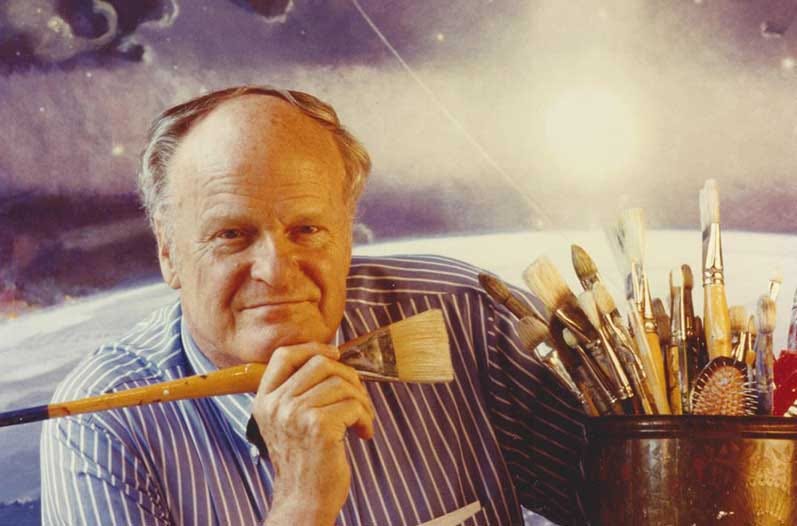
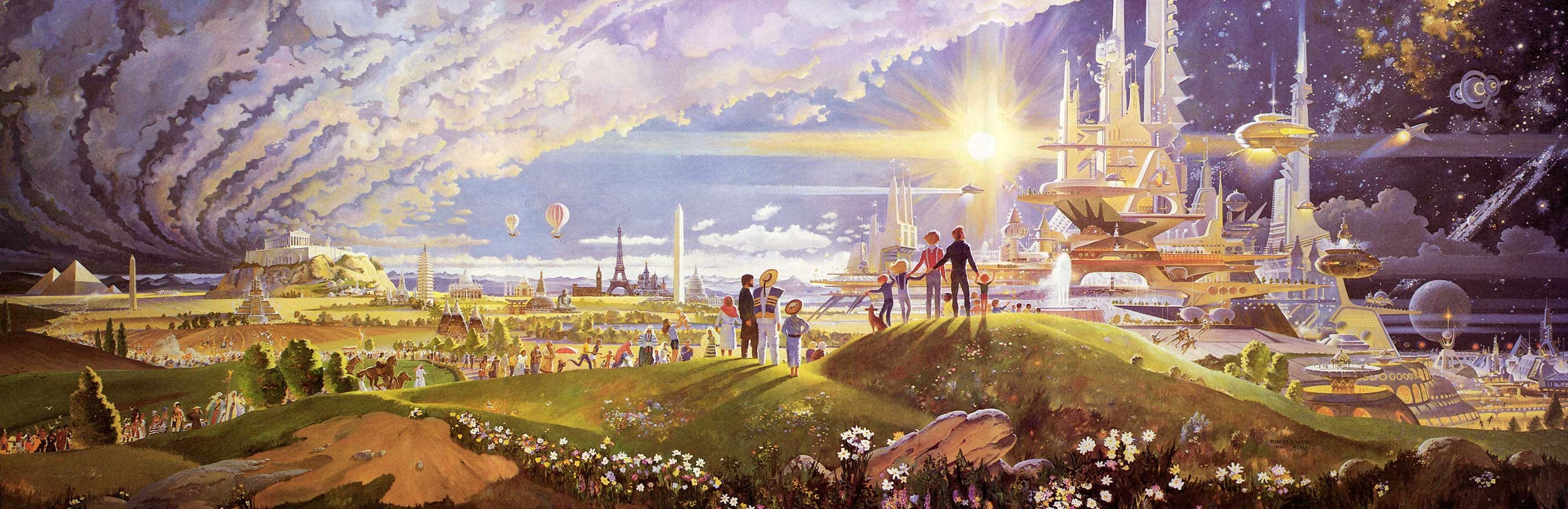
Robert McCall was an American artist known for his work with NASA and his breathtaking depictions of space travel. His murals adorn the walls of the National Air and Space Museum, and his illustrations have been used in films like 2001: A Space Odyssey. His work is aspirational, capturing the grandeur and optimism of human space exploration.


Notable mentions
Ralph McQuarrie (1929–2012)
One of the most influential concept artists in cinema history, Ralph McQuarrie was the visionary behind Star Wars. His early concept paintings shaped the look of Darth Vader, the Millennium Falcon, and countless other iconic designs. Beyond Star Wars, he contributed to Battlestar Galactica, E.T., and Close Encounters of the Third Kind.
How Their Work Shaped Libro Consiliorum
When I think about Libro Consiliorum, I see it as a continuation of what these artists started. My stories are not just narratives; they are designed—built from the ground up with intricate world-building, character depth, and a sense of scale inspired by these legends. Like a blueprint for the imagination, Libro Consiliorum is meant to be a launchpad for others to create, much like how McCall and McQuarrie’s art inspired filmmakers, writers, and dreamers.
McCall’s space-faring optimism breathes through my interstellar tales, while McQuarrie’s cinematic scope influences the way I visualize key moments. Mead’s industrial and urban designs whisper through my futuristic cities, and Di Fate’s sense of scale reminds me to always think beyond the immediate, to dream larger.
A Call to Future Creators
If you’re a writer, an artist, or a designer, remember this: the greatest visions of tomorrow begin with the bold strokes of today. These artists didn’t just illustrate stories; they designed them, constructing realities that continue to shape our understanding of the possible.
My hope is that Libro Consiliorum will serve the same purpose—a book of plans, a launchpad for those who want to dream, create, and build. So, whether you write, draw, compose, or design, never stop pushing the boundaries of what could be. The future is waiting to be made.
To those who built the foundations of my imagination—thank you.